
Successful Prize Redemption
The Keys to Doing it Right No Matter Your Operation’s Size
by Howard McAuliffe, Partner, Pinnacle Entertainment Group

Hello, amusement aficionados! Prize redemption has been a cornerstone of our industry for years, and for good reason – done well, it is one of the most powerful tools an operator has to drive revenue, build loyalty and create the kind of experience that keeps guests coming back. I’ve spent a big part of my career thinking about how to get redemption right.
This month, I want to share what I’ve learned across three areas that I believe are the most important levers any operator can pull: ordering and merchandising your prize counter, setting and tracking your markup, and putting the right systems and controls in place to protect your investment.
Whether you run a single location or a multi-site operation, these principles apply. The gap between operators who treat redemption as an afterthought and those who treat it as a carefully managed profit center is enormous – and the good news is, it’s entirely closeable.

Ordering Product and Merchandising
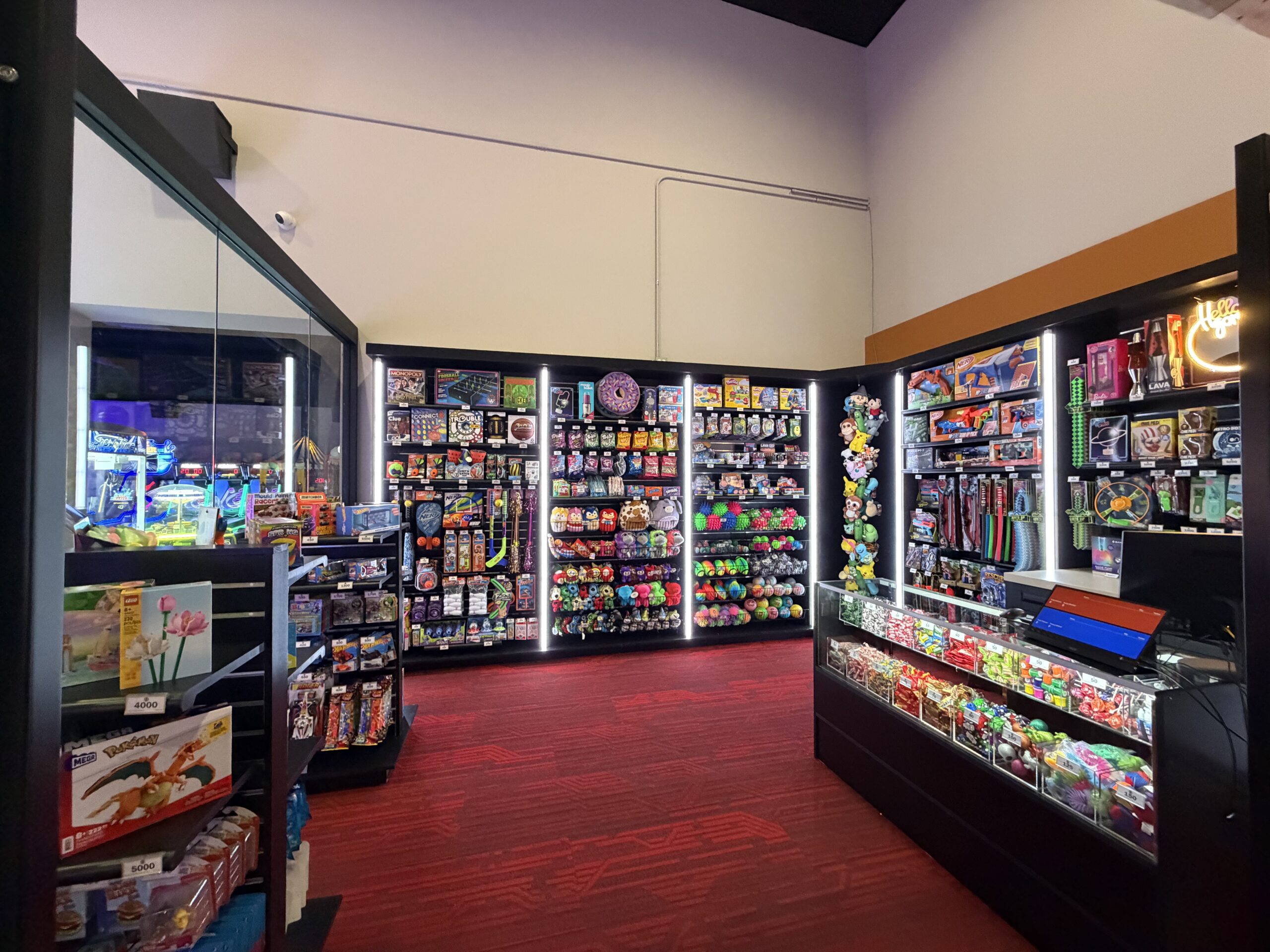
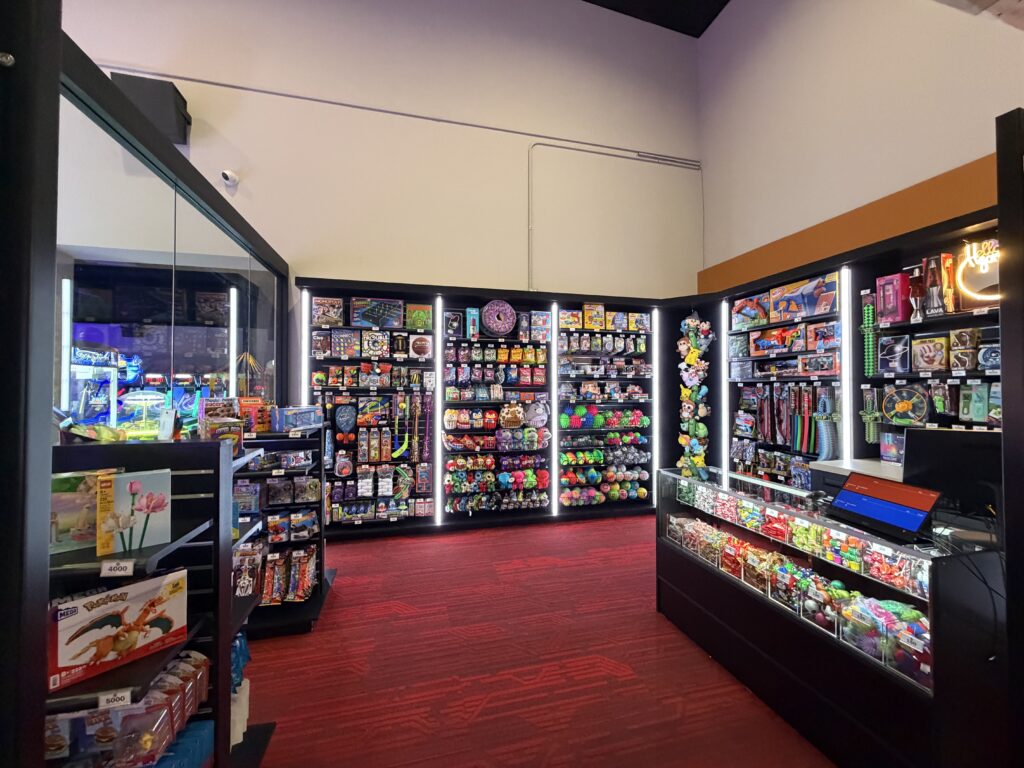
Let me start with something that sounds obvious but is routinely overlooked: your prize counter is a retail display. It should be treated exactly like one. When I walk into an FEC and see a prize counter that is picked over, disorganized, dusty or full of seasonal items after the season is over, I already know a lot about how that location is run. Conversely, when I see a prize counter that is fully stocked, visually appealing and filled with great items, I know the operator is paying attention.
The foundation of a great prize counter starts with your buying strategy. I strongly recommend working with a dedicated redemption vendor who understands the amusement industry – companies like Redemption Plus and Rhode Island Novelty, who we work with, exist precisely for this reason, and they are invaluable partners. They track toy trends, understand what is moving in the field and can help you avoid buying product that will sit on your shelves. Trend awareness is everything in this business.
Here are the principles I follow when advising clients on their ordering strategy:
• Buy in a range of ticket denominations. You need to understand what ticket values you offer, and make sure they rise in a logical manner without major gaps.
• Rotate product regularly. Nothing signals a neglected prize counter faster than the same items sitting in the same spot month after month. I recommend refreshing a portion of your counter at least once a month.
• Follow the trends, not just the license. Licensed product has its place, but generic items that hit a trend – fidget toys, slime, collectible mini figures – often outperform licensed SKUs because they are a fraction of the cost.
• Merchandise like a retailer. Product should be faced out, fully stocked and organized. Group like items together. Keep the counter clean – a dirty prize counter tells guests that the prizes inside aren’t worth winning.
Setting Markup and Tracking It
This is the area where I see the most operators flying blind, and it is costing them real money. Let me be direct: If you don’t know what your markup is, how that translates to dollars and cents, and don’t make all suppliers are following the same exact markup, you are leaving money on the table.
Setting your markup correctly starts at the point of purchase. How many tickets do you charge for each item you are buying. There are various strategies to how you set your markup. Some operators use a uniform markup across the board which helps keep accounting clean. Others prefer to offer a tiered markup with higher value product offered at a lower markup to reward customers that save tickets.
What’s most important is that you have a consistent markup, understand it and consistently implement across suppliers. Once you have your markup, your redemption vendor should be able to load it into your account so you can shop by ticket value. If you buy high-end items from Amazon or a retail vendor, it is essential that your staff puts these items on the counter at the same markup, ideally by creating a DPL (digital packing list) that puts the item into inventory at the correct ticket value and allows staff to scan it out.
Systems & Controls
A perfectly merchandised prize counter or store with the ideal markup and great product won’t function if there are no controls in place. Many operators who have strict inventory and controls for food and beverage, don’t have similar systems in place for redemption. This is an area that is easy to neglect – it’s not glamorous, and it requires discipline – but it’s the backbone of a sustainable redemption operation.
Let’s start with technology. A card-based system is essential to controlling redemption. We use Intercard in our own bowling center and for most of our clients. It would take a book to write about all of the reports and benefits of using a card system for redemption, so I will focus on three related, but very different, numbers needed to control redemption. You need to know the value of the tickets paid out at the games which is your “payout,” the value of your tickets redeemed at the counter, and the ratio between the two.
In most weeks you will have more tickets given out at the game than redeemed because customers are saving. That ratio should be fairly consistent. Finally, you must track the actual costs of your redemption product, which we recommend doing monthly. This requires taking a monthly inventory, calculating the difference between the beginning value and ending value, and adding in the prizes purchased. This number should be fairly close to the value of the tickets redeemed. If there is a significant gap there could be theft or lost product, but you will never see the issue if you rely solely on the redemption reports. This is because product that doesn’t make it into inventory or is taken out by hand won’t show up in the reports.
I want to close with a thought on mindset. The operators who run the best redemption programs I’ve seen don’t think of prizes as a cost – they think of them as an investment in the guest experience. The moment a child picks up that prize they worked hard to earn, something magical happens. They feel accomplished. They feel like your location delivered on its promise. That feeling is what brings families back, and that’s worth every penny of a well-managed prize program. In addition, prizes drive 80%+ of the revenue in most locations, cutting prize budgets does not save you money because it decreases revenue. The arcade is typically an 85% margin business, so driving revenue is critical.
As always, I welcome your feedback and counterpoints. Let me know what’s working in your redemption program – and what isn’t. Until next time!
Howard McAuliffe loves to imagine and implement new products, business models, and ideas, and is CEO and president of Pinnacle Entertainment Group Inc. He’s an industry veteran who got his start in the business when he was just 16 and has 20 years of expertise in product development, as well as FEC and route operations. Howard’s wife Reem and young son Sami are the center of life outside of work. When he’s not working, Howard can be found enjoying the outdoors, hiking, fishing and mountaineering. Traveling anywhere new or to old favorites like the American West is a passion. Readers can visit www.grouppinnacle.com for more information or contact Howard at [email protected], he welcomes positive as well as constructive feedback and counterpoints.