
The Guest Lens
Auditing the Journey from the Smartphone to the Front Door

Owner of Planet Novak & The Novak Network
As I travel the country for the Novak Roadshow, I hear the same refrain from nearly every operator I meet: “Clint, I just can’t find good help.” It’s the universal struggle in the 2026 FEC landscape. We are all fighting for the same talent pool, and when we find someone who actually knows how to smile and show up on time, we treat them like we found the Golden Ticket.
As operators, we spend a lot of time looking at the “back of the house.” We’re deep into P&L statements, labor percentages and the day-to-day coaching of a young staff. But when was the last time you actually experienced your business the way a guest does?
I’m talking about taking a massive step back. Forget that you know where the keys are kept or how the card system works. Put yourself in the shoes of a parent who just spent 20 minutes in traffic with a carload of excited kids and is simply looking for a smooth, stress-free afternoon.
The “Invisible” Front Door
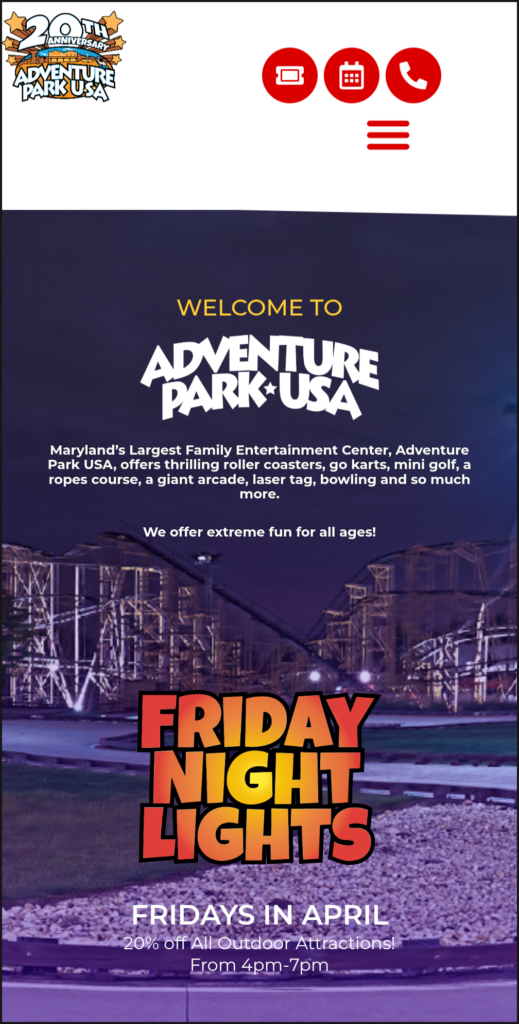
Most people think the guest experience starts at the front door. I would argue it starts on their smartphone three days before they ever pull into your parking lot.
In 2026, your website is your actual front desk. It isn’t just a place for information; it has the power to be your primary guest service counter. If you aren’t doing at least 20% of your sales via your website, you’re missing a massive opportunity to shorten your physical lines before the guest even arrives. If a guest can’t find your hours, your address and a “Buy Now” button in two clicks or less, you’ve already created friction. We tend to overcomplicate our digital presence with too many pop-ups and galleries. If your site isn’t “thumb-friendly” and fast, that guest is going to the competitor down the road whose site actually works.
The “First 50 Feet” Rule
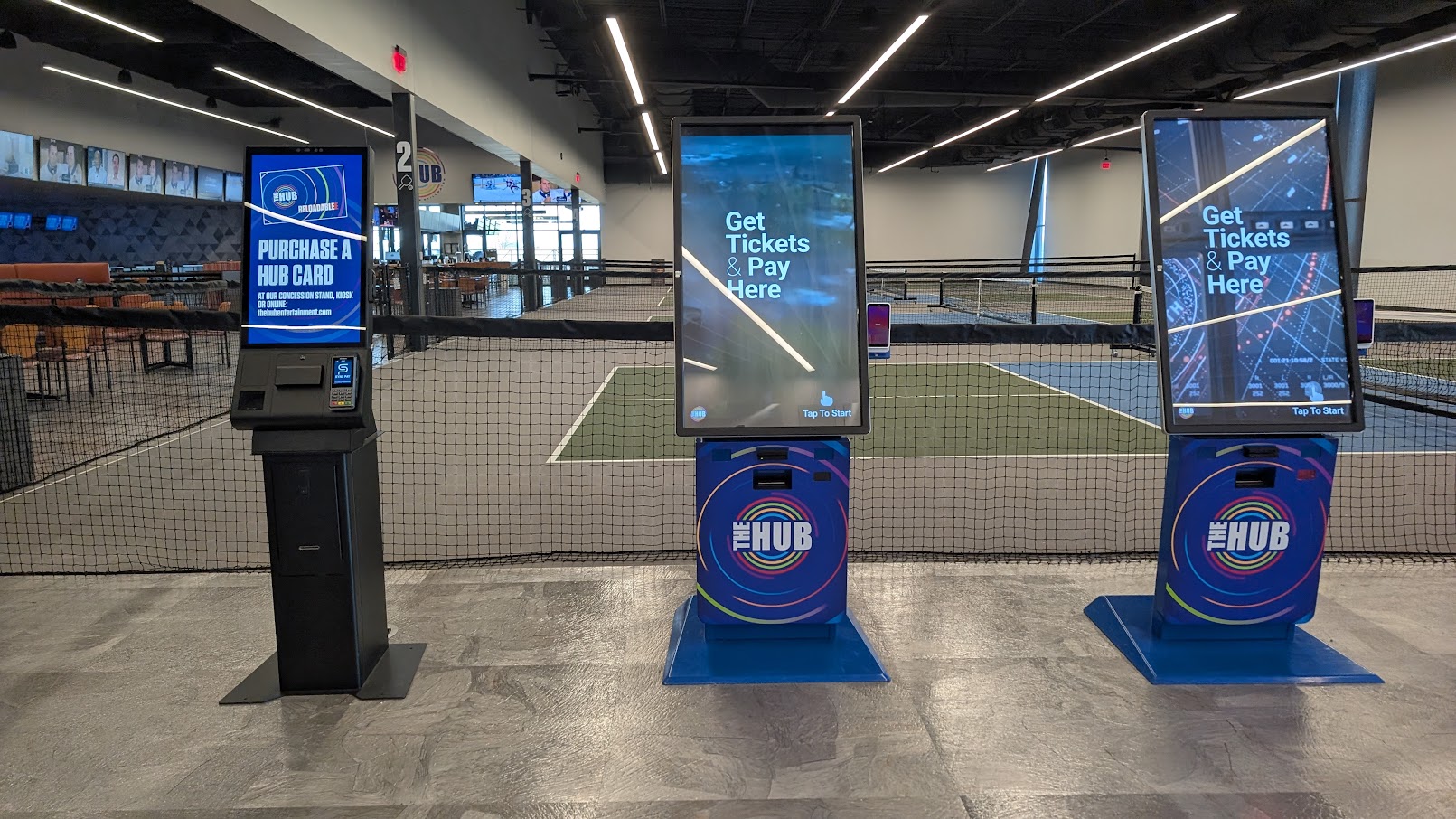
Once they arrive, the clock starts. I call this the “First 50 Feet.” From the moment they step through the glass, do they know exactly where to go?
As operators, we walk through the side door or the employee entrance. We don’t see the “wall of noise” or the confusing signage that a first-timer sees. If a guest has to stop a staff member to ask, “Where do I buy a card?” you’ve failed the first test. Your facility should be self-explanatory.
The Danger of “Signage Fatigue”
One of the biggest mistakes I see during audits is an overabundance of signs. When you have 50 signs on the wall, you effectively have zero. If everything is “important,” then nothing is. When a guest sees a wall of taped-up paper signs and multi-paragraph “Rules of the Room,” their brain simply shuts off. They won’t read the rules. They won’t read the specials. They will just be confused.
Use as few signs as possible. Bold, simple, professional signage for the “big stuff” — where to pay, where the bathrooms are and where to play — is all you need. If you can’t say it in five words or less, you need a better system, not a bigger sign.
The Guest Services Bottleneck
Now, look at your Guest Services desk. Would you want to stand in that line?
We love to offer “options.” We have the Silver Tier, the Gold Tier, the VIP Diamond Package, and the “Tuesday Special.” To us, it’s variety. To a guest, it’s a math problem they didn’t ask for. By moving the majority of these transactions to the website, you keep this physical line moving and your staff focused on hospitality rather than data entry.
The Fix is Simple: Offer Fewer Options
When you simplify your menu to as few choices as possible, you eliminate “analysis paralysis.” It speeds up the line, makes the staff’s job easier, and actually increases the average transaction because the guest isn’t overwhelmed.
The Frictionless Goal
The goal of every audit I do is to find friction and kill it. Whether it’s a confusing website, a cluttered wall of signs or a 15-item menu, friction is the enemy of fun.
This month, I challenge you to walk through your own front door. Don’t look at the games; look at the flow. Make it easy for the guest to understand. Make it simple for them to spend money. A guest who isn’t confused is one who is having fun — and that’s the only kind of guest that comes back for a second visit.
• • •
Clint Novak is the co-owner of Planet Novak and the founder of Novak Amusement Solutions and the Novak Network. He provides a bridge between high-level strategy and boots-on-the-ground reality for FEC operators. Visit him online at www.novakamusementsolutions.com or email [email protected].