
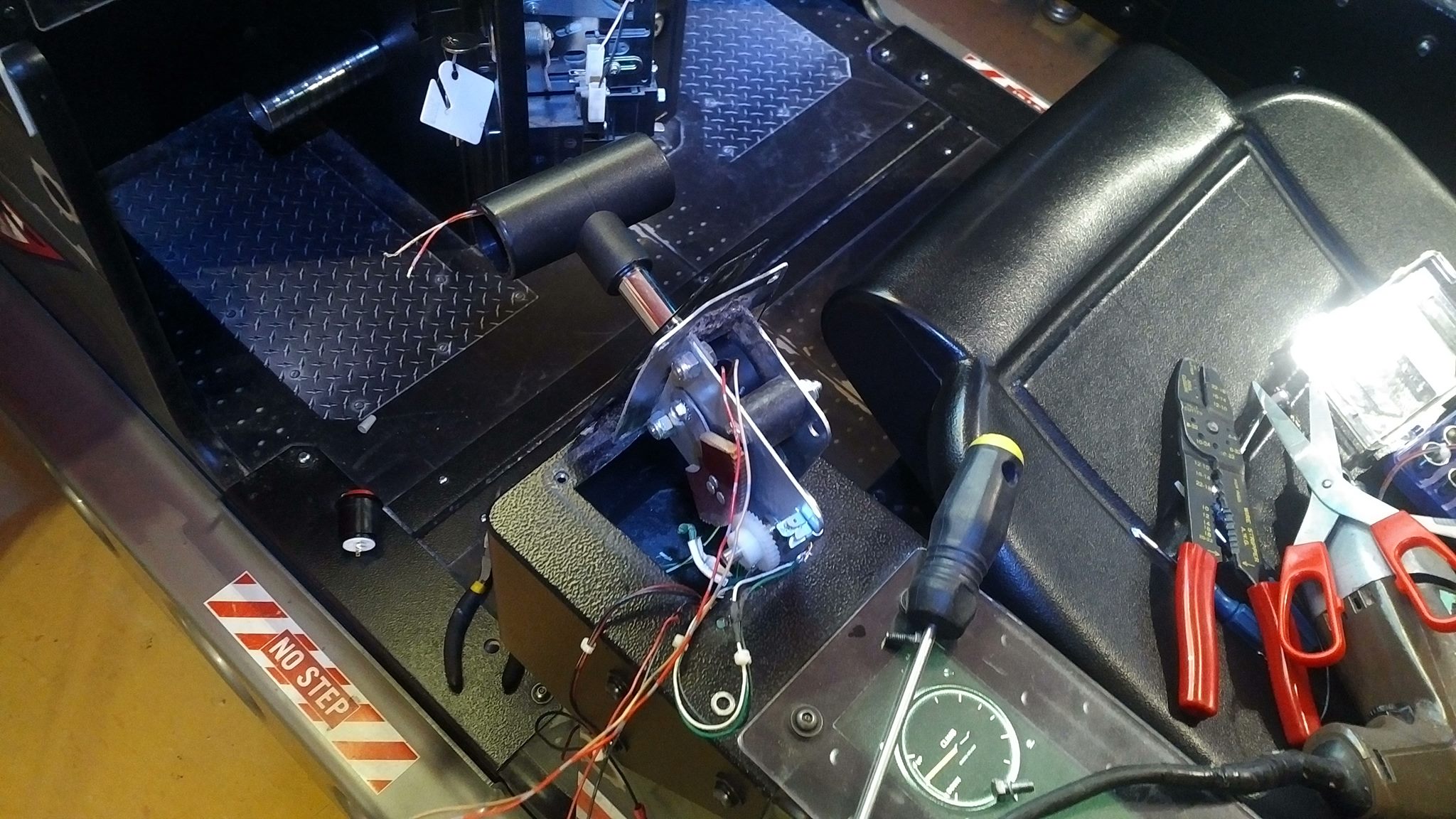

When any machine operator gets the dreaded “your game doesn’t work” call, the first thing he asks is if the thing is plugged in or if its lights are on. I, myself, just “fixed” my kitchen sink disposal by plugging it back in. My guess is the cleaning lady mistook the disposal’s plug for the Ajax (just kidding). Anyway, problem solved, and wouldn’t it be grand if all problems could be fixed so easily?
One of my fondest memories is the night the late Benchmark co-founder Al Kress came to my house back in New York to fix my Chicago Coin Twinky pinball. Al flipped up the playfield and went to work on the reed switches. I was amazed not only at the bewildering array of switches that made Twinky, a great, old, add-a-ball pin, do its thing but that Al seemed to know what and where to look to find the glitch. He got the game back up in about 10 minutes, and then we all relocated to the dining room and pinocle.
My own father was one of those guys who could fix just about anything. He was expert in electricity, carpentry and even the hated plumbing. He learned the art of the electrician during his U.S. Navy tour during WW II when you’d better know what you’re doing and quickly. Sort of like those Saturday night calls from Joe’s Bar that the jukebox is down again. Ah, memories!
Of all the skills that machine operators need to keep their businesses up and running, in my opinion, repair skills rank up there on top. They also rank up there when operators share “war stories” with each other. My own favorite service call yarn came from former AMOA president, the late Wes Lawson, who often told of the time he was working inside a jukebox when a rat ran out and up his pants leg. That should give you pause the next time you open a cabinet door. (Rats find wire insulation delicious.)
My mission this month is to salute all those techs out there who keep the national route up and running, the bells and whistles chiming and the cash boxes busy. Today, of course, we need to include all those guys and gals whose computer skills keep Quickbooks and other business software up to speed, providing the data the boss needs to keep the business in tip-top shape. All these skills are what I call “precious knowledge” like the airline pilot has when he checks all those cockpit gauges after kicking up the engines. People in business like to say “cash is king.” If so, knowledge isn’t far behind.