

Third Wave of VR Looks Like A Tsunami
Part Two: Avoiding the “VR Arcade” Trap & Maximizing Its Potential
by Bob Cooney
Editor’s note: Part One was published in the March 2017 issue and can be found online here.

The “VR Arcade” Trap
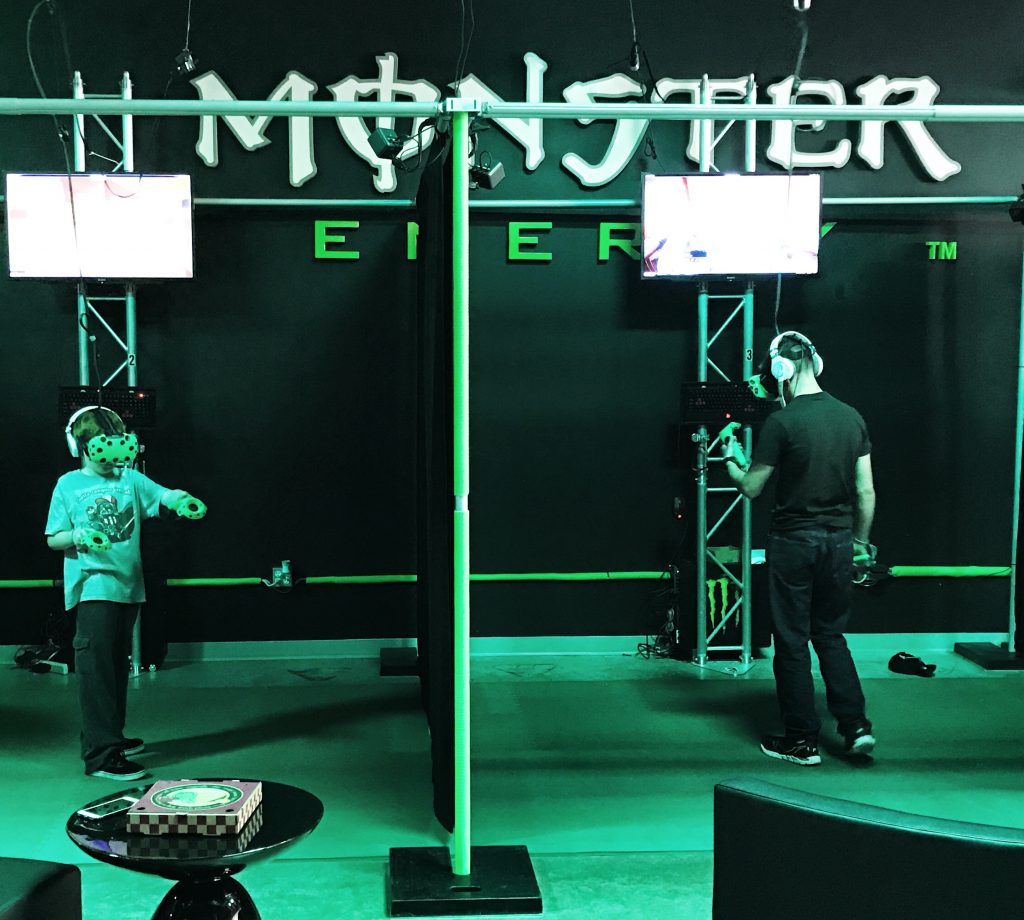
VR arcades consist of multiple setups of consumer gear, mostly HTC Vive, running consumer games rented out by the hour. This is a similar business model that LAN gaming centers utilized in the early ’00s, before high-speed internet had penetrated deeply into the home market. For about $2,500, you can purchase an HTC Vive with motion controllers and tracking cameras, bundled with a high-end gaming PC. Add in some truss and some lighting, and you can pop-up a VR arcade with a relatively small investment.
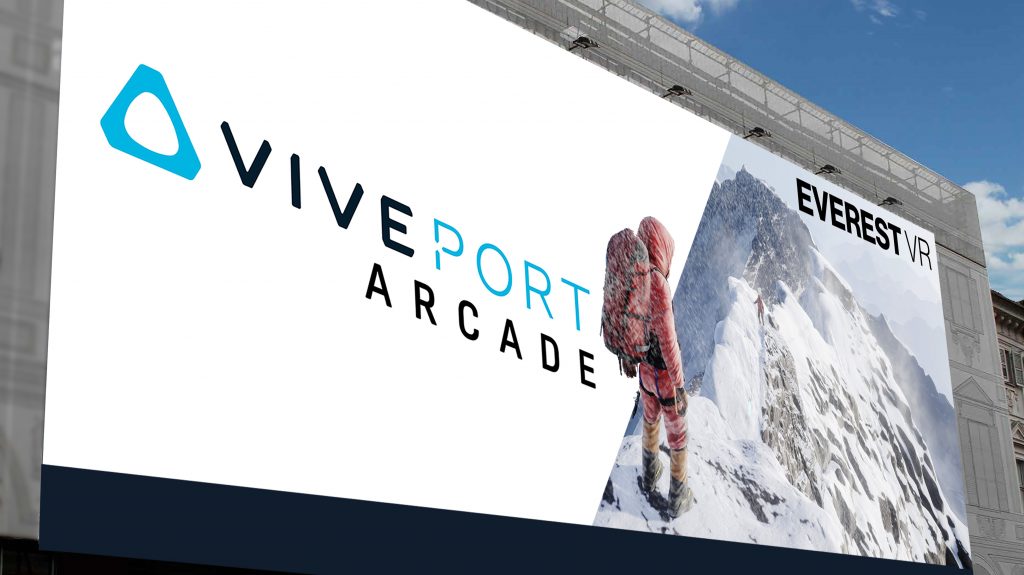

It’s a great business strategy for HTC, because in the words of Viveport’s president, they’re struggling with awareness. “One of the big problems we have is a marketing problem for virtual reality, and this is a way to get the Vive out there before VR is ready for mainstream home adoption,” Rikard Steiber told The Verge in November 2016. Think about that for a minute: He wants people to open VR arcades so they can help him market a product that when people buy, they’ll no longer have the need to go to the arcade. It’s brilliant and evil at the same time.
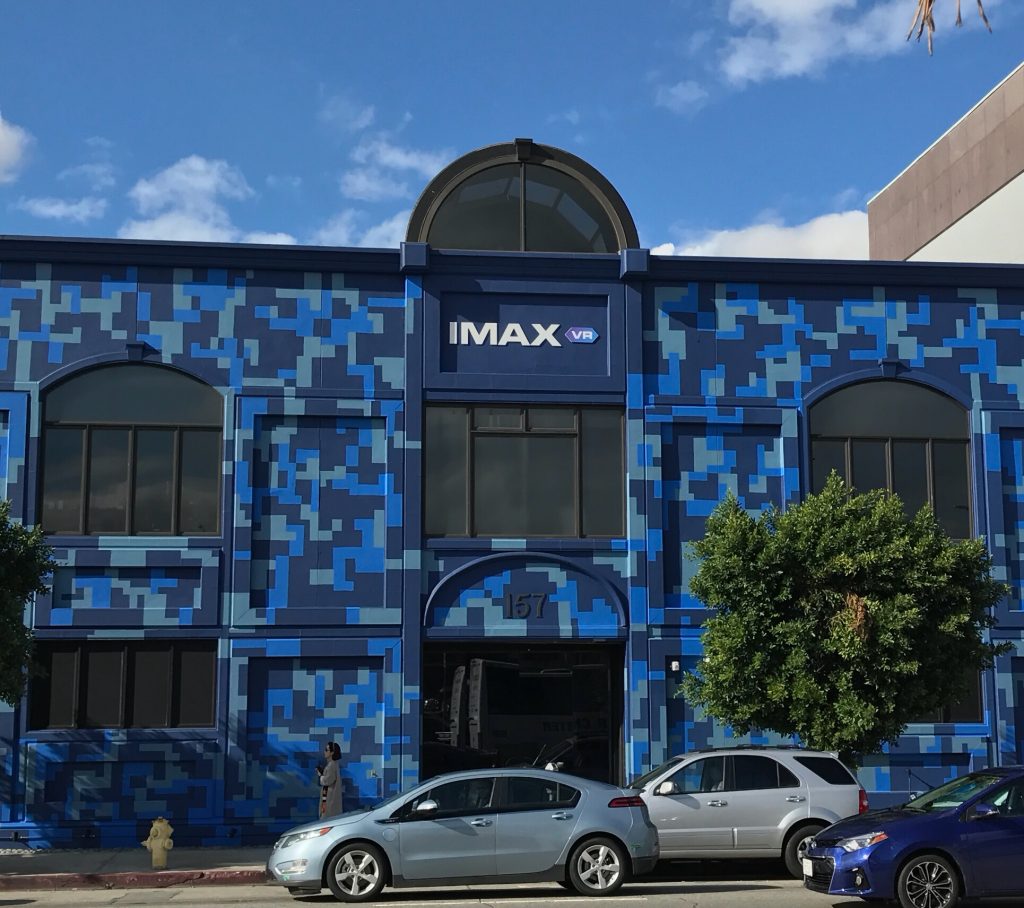

You have to wonder if those prices are sustainable as VR penetrates the enthusiast market. I’m not sure that the experience is good enough to keep casual players coming back, and assuming hardcore gamers will have their own rigs, I would be wary of making a significant investment in a VR arcade based upon the same exact entertainment experience people can do at home.
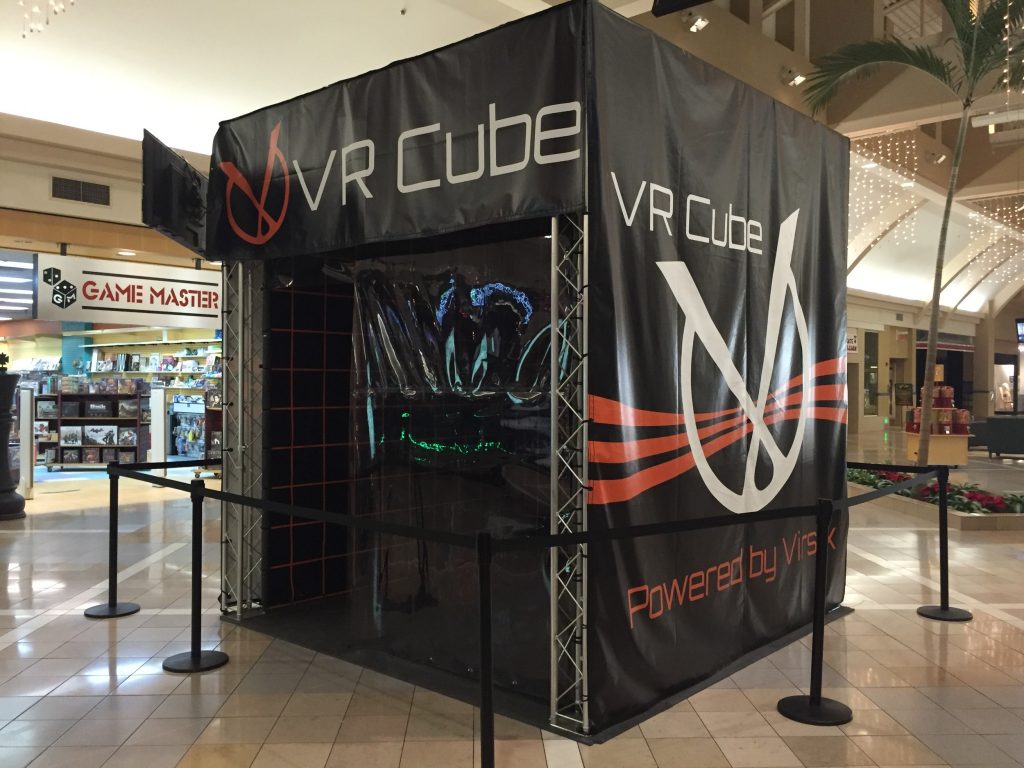
There also are a few companies repackaging the consumer versions of Vive and Oculus and offering them as commercial packages. These “Cube” VR systems (pictured below left at a shopping mall) sell for 10 times what the consumer versions cost and you have to ask yourself how a $25,000 or greater investment in a room-scale VR system that essentially provides the same experience as a $2,500 home system is going to sustain a return on investment. Buyer beware.

A New Mindset
Unlike typical amusement industry attractions that are mass market and targeted at families, warehouse-scale, free-roam VR is a luxury attraction targeted to Millennials. What do I mean by “luxury attraction?” The inherent lower throughput requires operators to charge a significantly higher ticket price. This means it’s going to target a different consumer segment. Think of business class instead of coach on an airplane. The FEC is the airplane, but the VR attraction is business class. There’s always a segment of any audience that is willing to pay a higher price for a unique and scarce experience. The good news is you need far fewer of these customers to take up the capacity. And once they’re in your facility, they absolutely have the money to spend on other attractions.
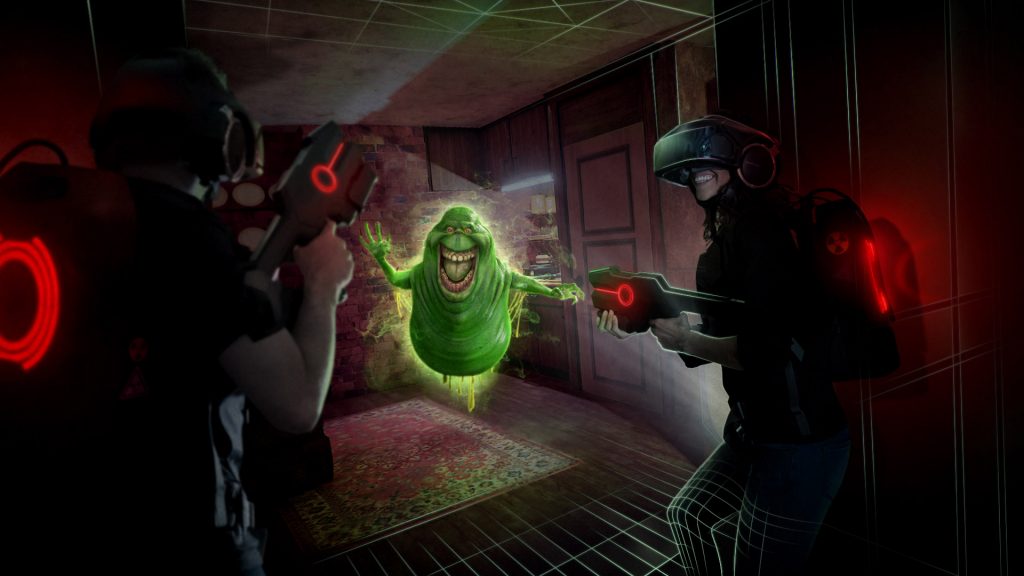

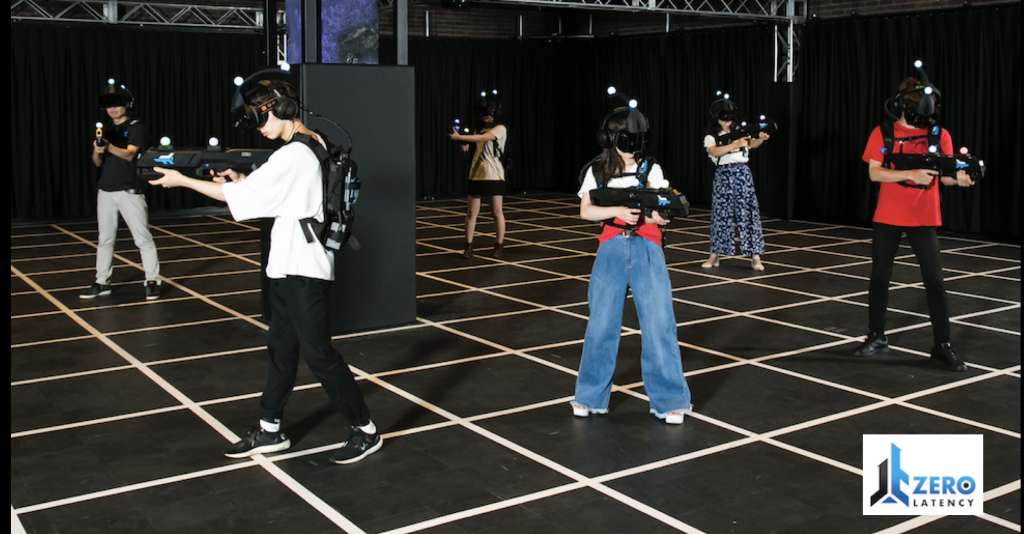
In Tokyo, Sega operates a Zero Latency arena (seen below) at their flagship Joypolis FEC (recently sold by Sega Sammy to China Theme Park Limited, a subsidiary of China Animation Group). The typical customer at Joypolis has historically been 17 years old. The average age of a Zero Latency VR player at Joypolis is 30. The attraction is bringing in an entirely new audience, with high disposable income. They charge $17 for the game, plus another $7 as an entry fee, so essentially $25 for a 12-minute game, which can be marketed as a 30-minute experience.
In Melbourne, Zero Latency has been operating a free-standing attraction since mid-2015. They offer a 45-minute game marketed as a one-hour experience and charge AU$88 per person (US$65). And they’ve sold out pretty much every game since they opened the doors 18 months ago and not just on weekends, but during the week, too.

Operators of these types of attractions need to change their mindset. High ticket prices and lower throughput works for the right amusement attraction. It’s well documented that the Millennial Generation prefers spending their money on experiences rather than things, and has plenty of disposable income. They are also prone to FOMO (fear of missing out), and the scarcity of tickets can drive frenzied purchase behavior. When Zero Latency Melbourne released tickets for a new batch of games on a Monday, they would see a huge spike in tickets sales because their customers knew that if they didn’t snatch one up, they would miss out.
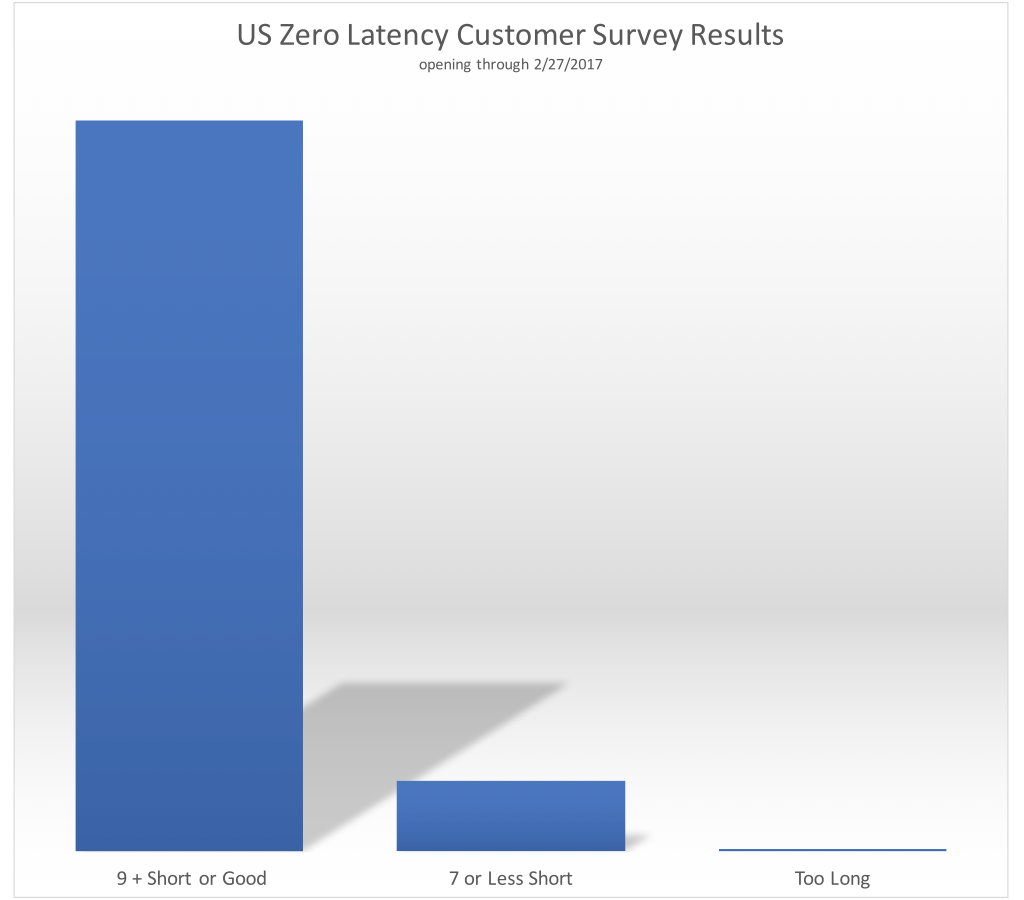
Amusement operators are used to making money three minutes and a dollar at a time. Some of the early Zero Latency operators in the U.S. have priced the game at $20-25 for a 12-minute game. This creates a lot of inventory, which which requires two to three times more customers. The plethora of available tickets also removes the urgency to purchase. Customer surveys of U.S. Zero Latency players show that 80 percent of them rate the game a 9 or higher on a 1-to-10 scale, and say the game length is either “good” or “too short.” Only two out of 800 players served said the game was too long. If they were complaining about the value of the experience when saying the game was too short, surely they would rate it lower. This suggests there’s plenty of headroom for longer experiences and higher prices.

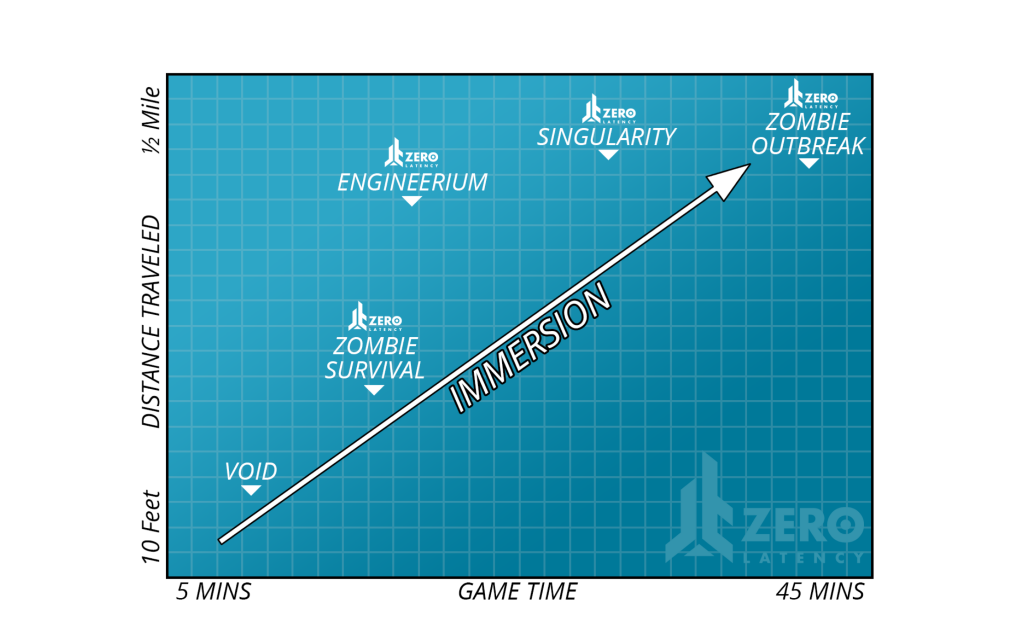

Large scale VR attractions are not for every operator. They’re expensive and the technology is bleeding edge. Early adopters significantly differentiate their businesses, and also gain the advantage of the hype cycle, where a new location can generate hundreds of thousands of dollars of exposure through public relations efforts alone. And they offer the ability to attract a highly valued Millennial demographic if you’re willing to price it right.
There are also a lot of unknowns, however, around best practices to optimize pricing, game length, ticket availability, and what other attractions might complement the amazing experiences that so far only free-roam VR can offer.
Stay tuned to this column, and follow me on Facebook, to stay up to date on what’s happening with VR in the amusement industry.
Electronic gaming and location-based entertainment veteran (and avid surfer) Bob Cooney has 25-years of experience designing, manufacturing and marketing out-of-home entertainment to consumers, operators and venues –– first as founder and chief executive of NASDAQ- and Inc. 500-listed Laser Storm, and later as an initial member of the Global VR executive team which introduced the first commercially viable virtual reality arcade game. Cooney went on to become VP of marketing and business development of Ecast, the digital content provider for jukeboxes, and COO of NTN Buzztime, the networked trivia game company. Cooney has been a driving force behind the development of numerous top-earning licensed games, including products based on EA Sports PGA Tour, X-MEN and Stargate, and has been a long-time vocal proponent of leveraging new technology to keep the out-of-home amusement industry relevane. Bob consults with companies on strategy and business development. He can be reached at hirebob@bobcooney.com.