


The Post AEI Issue –
The Floor Is Talking. Are You Listening?
by Nick DiMatteo, Pinnacle Entertainment Group

There is a moment at every show where the noise fades just enough to notice something different. You stop looking at booths and start watching people.
That is where the real story lives.
Walking into AEI 2026, I expected incremental. A few reskins, some licensing plays, and a handful of standouts trying to break through. What I found instead was something better. The quality was strong, and more importantly, the games were fun.
That may sound obvious. It is not.
Fun is the filter. It is the difference between a game people walk past and a game that stops them in their tracks. This year, more pieces passed that test than I expected. Some leaned into visuals. Some into motion. Others into interaction or prize mechanics. Across categories, there was a noticeable balance.
But what happens on a show floor and what happens on your floor are two very different things. That is where operations step in.
We spend a lot of time talking about what is new. What is next? What is coming? The better operators spend more time asking a different question.
What actually works right now?
Not in a controlled demo. Not under perfect conditions. In your building, with your guests, on your busiest Saturday and your slowest Tuesday.
This is where 2026 starts to feel sharper. The mix is evolving.
On one end, you still have the larger immersive pieces. Big visual drivers that create energy in a room. These matter. They anchor the floor, and create moments people talk about. They give your space presence.
On the other end, there is a growing group of smaller, more efficient games.

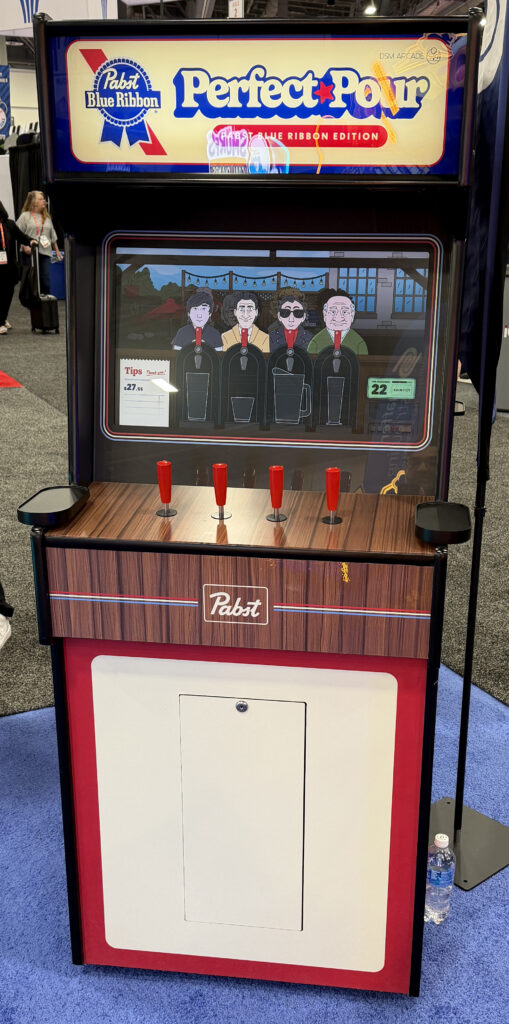
They’re lower cost and have faster play cycles with clear objectives. These are games that could drop into tighter footprints and still produce, and some that do not need a full explanation before someone feels comfortable stepping in.
Here is the key. It is not about choosing one side. It is about building the right mix.
You need the big moments – the games that pull people in and create energy. You also need the repeat plays: the connector type games and the games that keep guests engaged between those larger experiences and quietly drive consistent game play and margin.
If you lean too heavily into large format, you lose flexibility, space tightens and throughput gets constrained. Revenue generation can bottleneck.
Lean too far into small format, and something else happens. The room loses energy and it starts to feel transactional instead of experiential.
The best operators understand this balance and adjust for it in real time.
Then there is placement. This is where good operations turn into great operations.
High energy games need space. Let them breathe. Give them room to do what they are designed to do. If a game is meant to draw attention, let it shine.

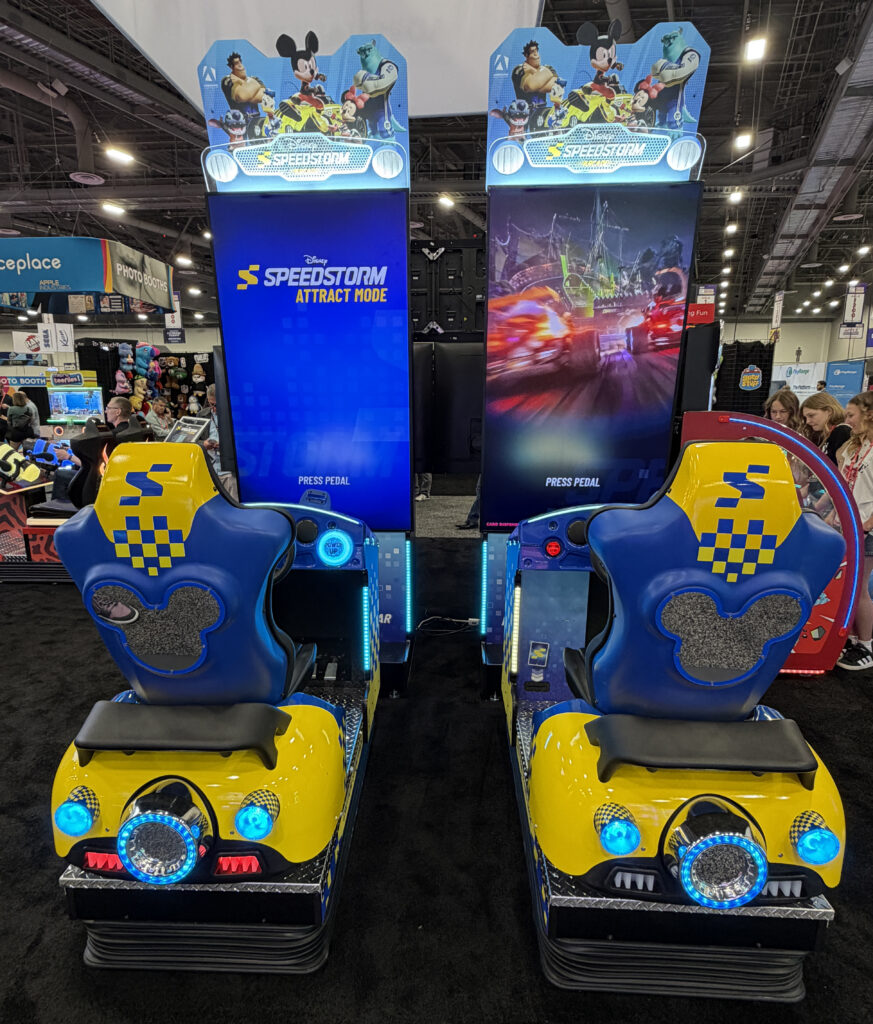
At the same time, resist the urge to cluster everything by category. Fast next to fast. Cranes next to cranes. Drivers next to drivers. That is organizing and not optimizing. Driving your net revenue is often about flow, not just fit or playing Tetris with the square footage.
Where do people naturally pause? Where do they watch? Where do they jump in?
When flow is on point, spending tends to follow. Not because you forced it, but because the experience makes sense.
Another theme that stood out this year was approachability: less friction, faster/ smoother starts and clearer objectives. That is not accidental. That is good design.

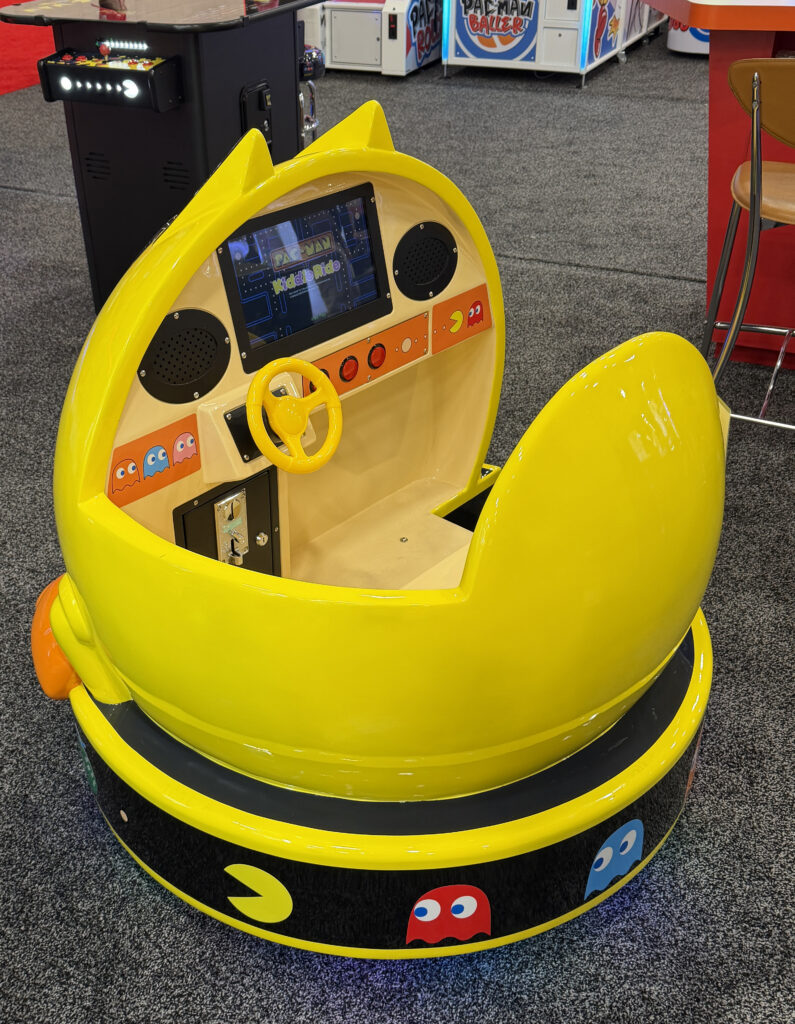
From an operator standpoint, it matters more than most realize. The faster a guest understands a game, the more confident they play and the more they can win. If the experience delivers, they are more likely to play again. That is where repeat behavior starts to build revenue.
We can talk about the product all day, but execution is still the separator.
Uptime. Cleanliness. Staff engagement. Awareness of what is happening on your floor in real time. None of that is new. But it matters more now.
When overall product quality improves across the industry, the advantage shifts. It is no longer just about having something new. It is about running it better than the next operator.
The best teams are not just installing games. They are introducing them. They are creating moments around them. They are training staff to engage, not just observe. They are watching behavior and adjusting quickly.
They are listening to the floor.
So, the question becomes simple. What is your floor telling you?
As we move through 2026, my focus is clear. Pay attention to the mix. Be intentional with placement. Prioritize games that are easy to understand and genuinely fun to play. And most importantly, execute.
The opportunity is there. The games are good. The experiences are stronger. Now it is on us to run them the right way.
Nick DiMatteo is the Vice President of Operations and Business Development at Pinnacle Entertainment Group. He brings over 25 years of experience in food and beverage, arcade, route and inline entertainment, with a background in multi-unit operations and national-level strategy. Today, he works with entertainment providers to improve performance through operations, P&L and team development. Based in Texas, Nick is also an active mentor and the proud father of five. Visit www.grouppinnacle.com for more information or contact Nick by emailing nick@grouppinnacle.com.